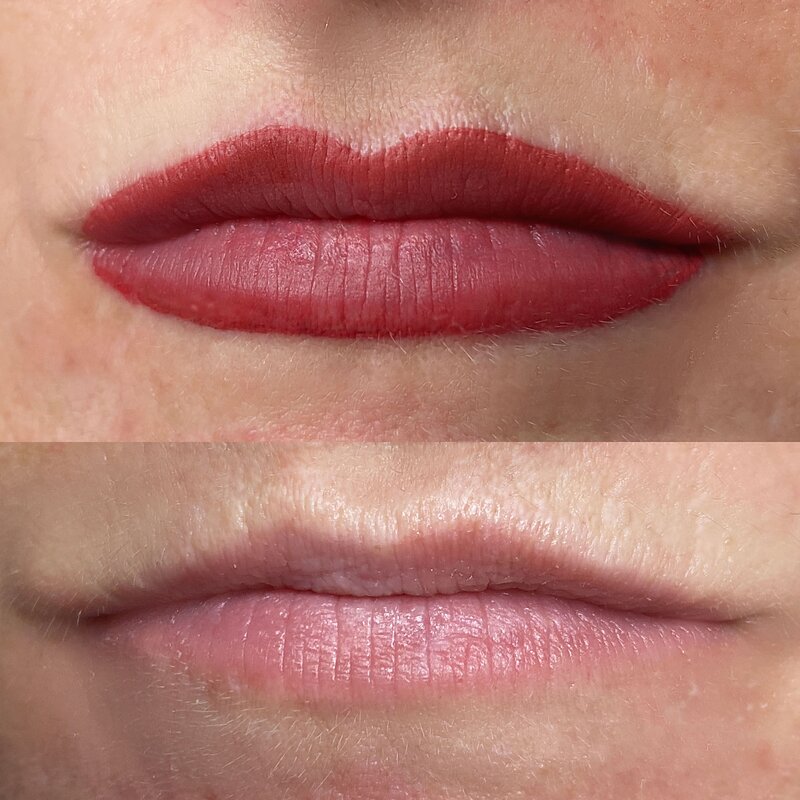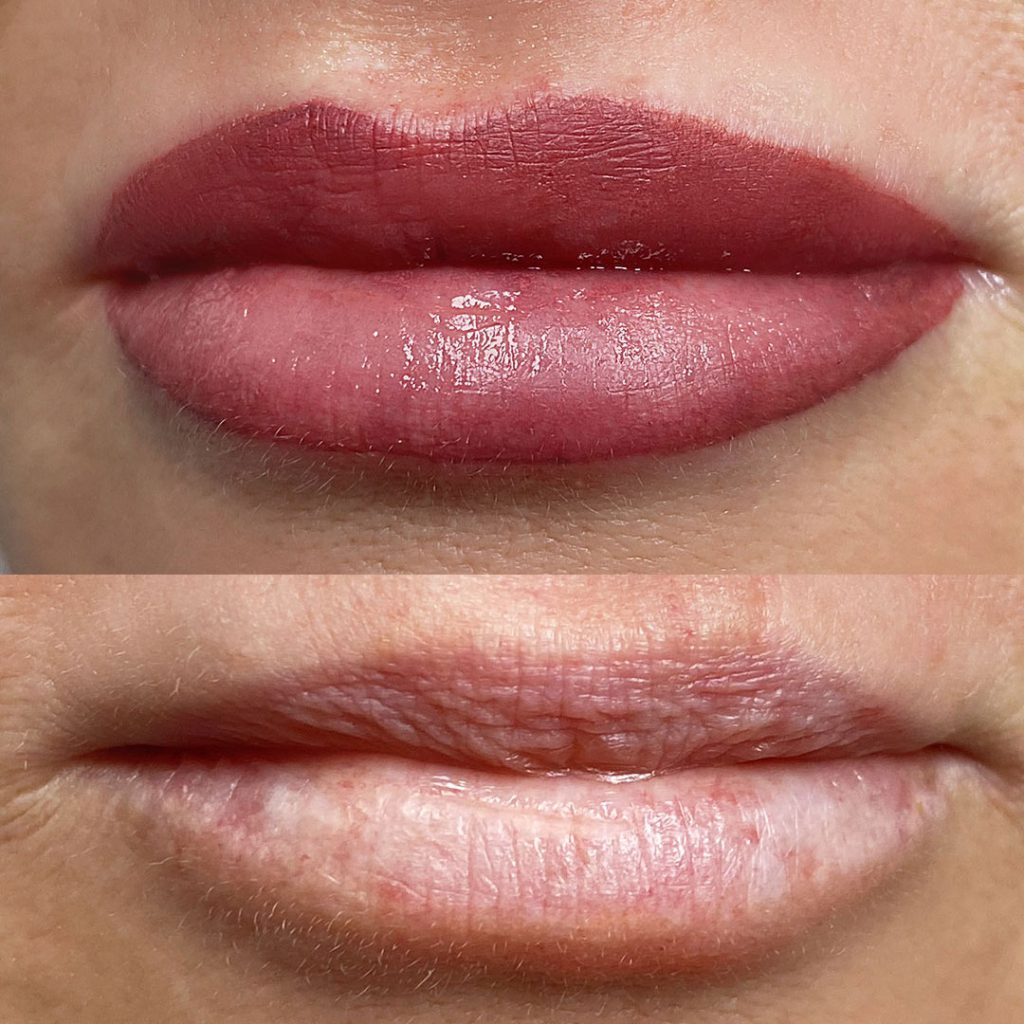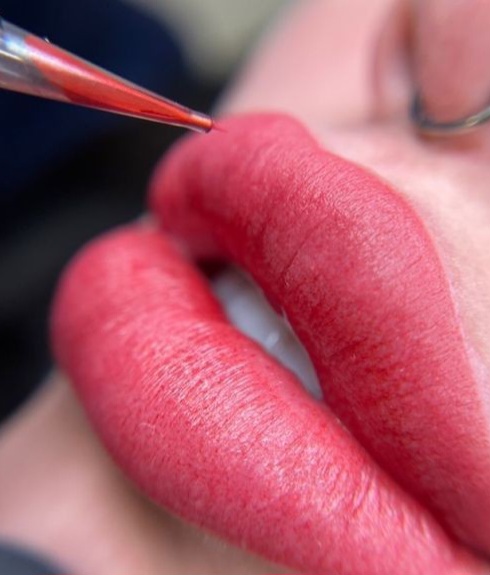


Understanding the Side Effects of Permanent Lip Liner


Common Side Effects of Permanent Lip Liner:
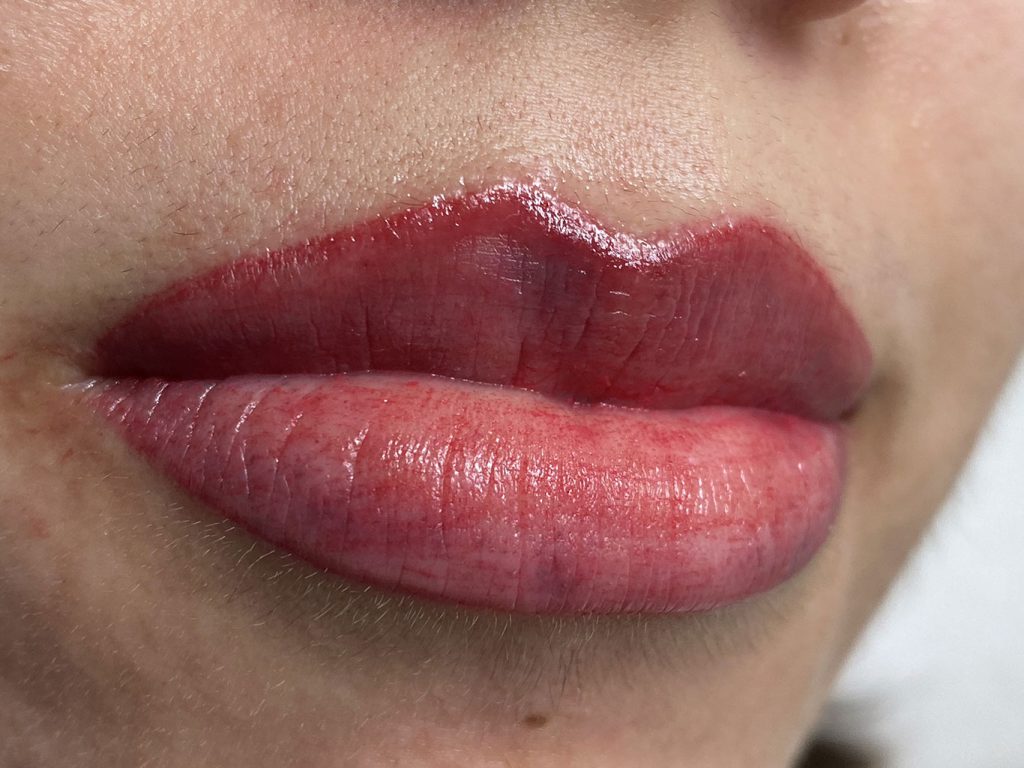
- Swelling and Redness: Swelling and redness are common immediately following the procedure. This is part of the body’s natural healing response to the micro-pigmentation process. These symptoms typically subside within a few hours or days. Applying a cold compress to the lips can help alleviate swelling.
- Pain or Discomfort: It’s normal to feel some discomfort or pain during and after the procedure. A topical numbing agent is usually applied before the procedure to minimize discomfort. After the procedure, you may experience tenderness in the treated area. Over-the-counter painkillers can help with this discomfort. How much you feel varies with your pain tolerance and skin sensitivity, and some people still notice pressure or mild discomfort even after numbing.
- Infection: While rare, there is a risk of infection when the skin is punctured during the procedure. Following proper aftercare is key to minimizing the risk of infection. It is essential to avoid touching the lips with unwashed hands and to follow the care guidelines provided by your technician. If you notice any unusual symptoms like pus or increased redness, you should contact your technician immediately. Infection can also result from non-sterile equipment and, in some cases, lead to scarring, which is another reason to choose a certified, experienced professional.
- Allergic Reactions: Although uncommon, some individuals may experience an allergic reaction to the pigments used in permanent makeup. Symptoms can include itching, swelling, or a rash. A patch test performed before the procedure can help identify any potential allergic reactions. It’s also important to discuss any allergies or sensitivities with your technician beforehand to determine whether permanent lip liner is right for you.
- Scabbing and Flaking: After the procedure, scabbing and flaking are normal as the skin heals. It’s important not to pick or scratch the scabs, as this can interfere with the final results and possibly cause scarring or uneven pigmentation. Moisturizing and following aftercare instructions will support the healing process.
Other Disadvantages of Permanent Lip Liner to Consider
It Isn’t Truly Permanent
The Color Can Change Over Time
Results May Differ From What You Expected
Limited Flexibility to Change Your Look
A Short Period of Downtime
How to Minimize the Risk of Lip Liner Side Effects?
- Choose a Skilled Technician: Choosing an experienced and certified professional is critical to minimizing the risk of complications. Research potential technicians thoroughly, check their credentials, and review their work to ensure you are in capable hands.
- Follow Aftercare Instructions: The most important part of the healing process is aftercare. Proper care reduces the likelihood of infection, scarring, or uneven healing. Your technician will provide instructions on how to care for the area post-procedure, including what products to use and how to avoid irritating the treated area.
- Conduct a Patch Test: Before undergoing the procedure, ask your technician to perform a patch test to check for any allergic reactions to the pigments. This simple step can save you from future complications.
- Give It Time to Heal: Healing is a gradual process. After the procedure, give your lips time to fully heal before deciding whether touch-ups are necessary. Patience during the healing period is essential for optimal results.
When to Seek Professional Help:
- Persistent or severe pain
- Excessive swelling that doesn’t subside
- Signs of infection such as pus, fever, or increased redness
- Severe allergic reactions such as hives or difficulty breathing
- Uneven pigmentation that doesn’t improve after the healing period
Conclusion:
Thinking about lip blush?
Lip colour heals differently on every set of lips, and your natural pigment affects the result more than the shade you pick. A consultation settles what will actually suit you.
Explore our lip enhancement services · Request an appointment
Prefer to speak to someone? Call the studio direct — Beverly Hills, CA: (310) 806-5522 · Oceanside, NY: (212) 470-7973
Frequently Asked Questions
Is permanent lip liner really permanent?
Not truly. The pigment fades over time, and touch-ups are typically needed every 1 to 3 years depending on your skin type and lifestyle habits such as sun exposure and smoking.
How long do swelling and redness last after permanent lip liner?
Swelling and redness usually settle within a few hours to a couple of days. Applying a cold compress to the lips can help ease the swelling.
Does getting permanent lip liner hurt?
A topical numbing agent is usually applied first, but some people still feel discomfort or pressure depending on their pain tolerance and skin sensitivity. Some tenderness afterwards is normal.
Can permanent lip liner change color over time?
Yes. Sun exposure, natural skin exfoliation and aging can alter the color, sometimes leaving a bluish or ashy tone, especially if low-quality pigments were used.
Can permanent lip liner be changed or removed later?
Some adjustments can be made with touch-ups, but significant changes to the shape or color are challenging. Drastic changes may require more invasive procedures such as laser removal, which can be costly and uncomfortable.
Should I have a patch test before permanent lip liner?
Yes. Ask your technician for a patch test to check for allergic reactions to the pigments, and discuss any allergies or sensitivities with them before the procedure.
When should I contact my technician or doctor after permanent lip liner?
Contact your technician if you have persistent or severe pain, swelling that doesn’t subside, signs of infection such as pus, fever or increased redness, or uneven pigmentation that doesn’t improve after healing. Seek urgent medical care for signs of a severe allergic reaction, such as hives or difficulty breathing.