


Scalp Micropigmentation, A Solution for Hair Loss


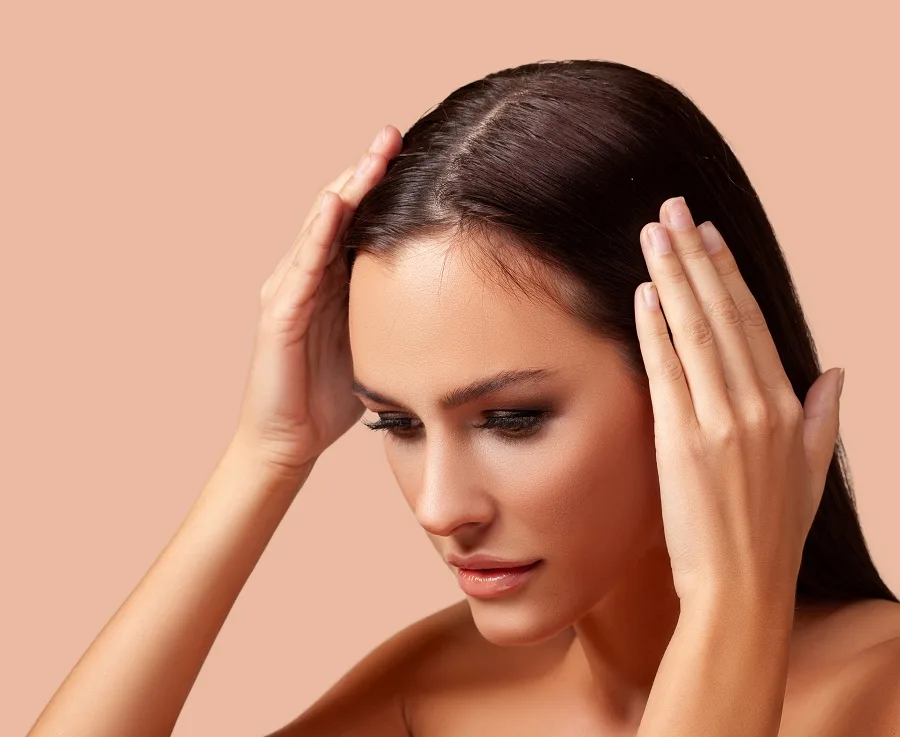
Hair loss is a common issue that affects millions of people worldwide. It can occur due to genetics, medical conditions, aging, or lifestyle factors. For individuals seeking a non-invasive, effective, and long-lasting solution, scalp micropigmentation (SMP) has emerged as a revolutionary option. In this article, we’ll explore what scalp micropigmentation is, how it works, its benefits, and why it’s becoming a popular choice for those dealing with hair loss.
What Is Scalp Micropigmentation?
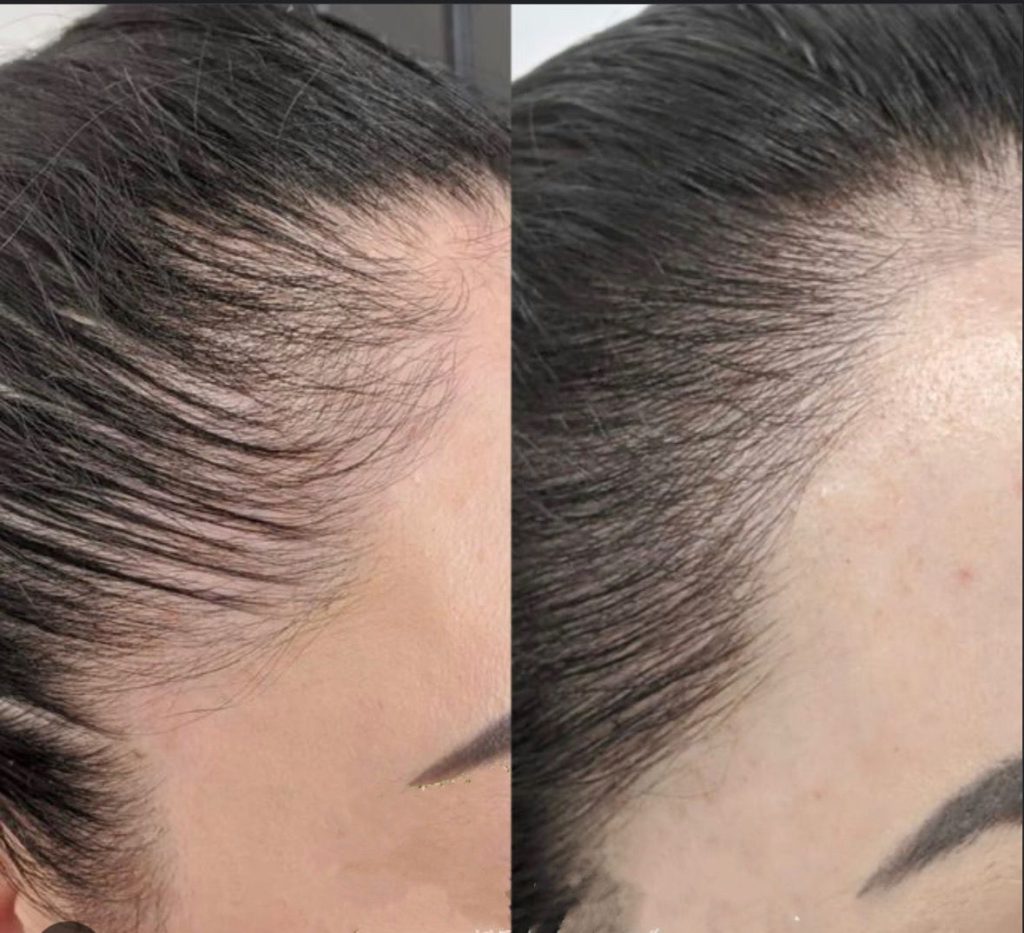
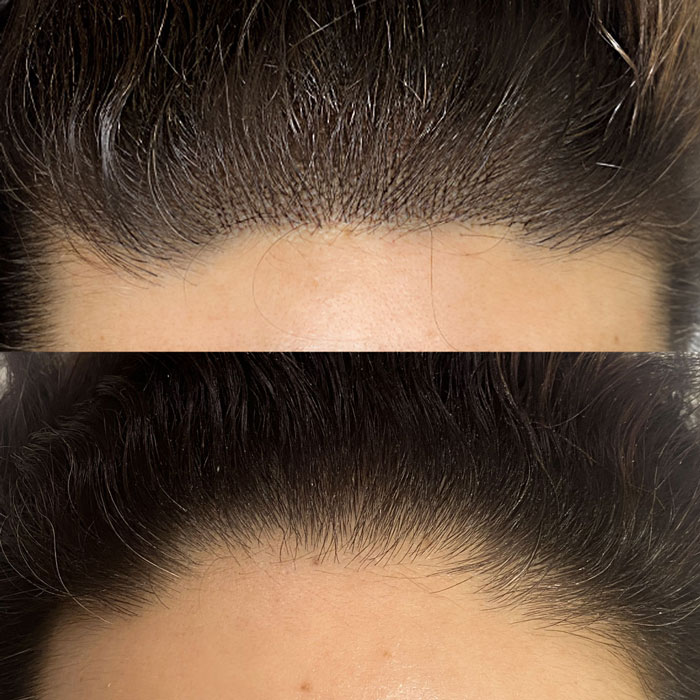
Scalp micropigmentation (SMP) is a cosmetic procedure that uses specialized pigments to replicate the appearance of natural hair follicles. It is a non-surgical treatment designed to give the illusion of a fuller head of hair or a closely shaved scalp. The procedure involves the precise application of tiny pigment dots onto the scalp, creating a natural, realistic look.
SMP is suitable for both men and women experiencing various types of hair loss, including:
- Male pattern baldness
- Alopecia areata
- Thinning hair
- Scarring from hair transplant surgery or injuries
SMP changes how the scalp looks; it does not regrow hair or treat the cause of hair loss. If your hair loss has a medical cause, have it checked by your doctor or dermatologist and keep up any treatment they recommend.
How Does Scalp Micropigmentation Work?
The process of scalp micropigmentation typically involves the following steps:
- Consultation: Before the procedure, a consultation is conducted to assess the individual’s hair loss pattern, scalp condition, and aesthetic goals. During this session, the technician discusses the desired hairline shape, density, and pigment color to ensure a customized result. The hairline is designed to suit your face shape and age.
- Pigment Selection: Using advanced color-matching techniques, the technician selects pigments that closely resemble the client’s natural hair color and skin tone. This ensures a seamless blend with existing hair, if any.
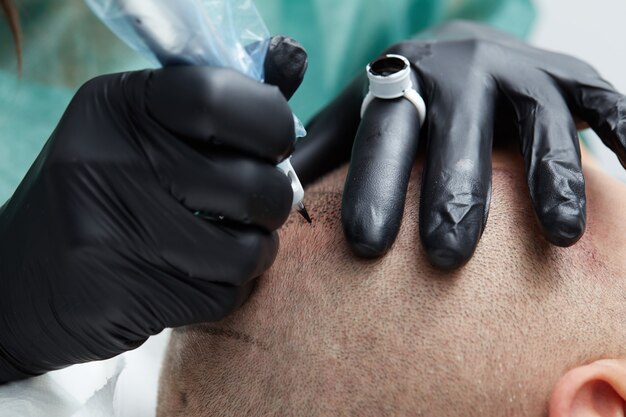
- Application: The procedure involves applying pigment dots to the scalp using a microneedle. The technician works in layers to build density and create a realistic look. Multiple sessions, typically two to three, may be required to achieve the desired outcome. Each session usually lasts two to four hours.
- Aftercare: After the procedure, clients receive detailed aftercare instructions to ensure proper healing. These may include avoiding sun exposure, excessive sweating, and harsh scalp products for a specified period.
Benefits of Scalp Micropigmentation:
Scalp micropigmentation offers numerous advantages that make it a preferred choice for individuals with hair loss.
- Natural Appearance
One of the key benefits of SMP is its ability to create a realistic appearance. The pigments are meticulously applied to mimic the look of natural hair follicles, blending seamlessly with the scalp.
- Non-Invasive Procedure
Unlike hair transplant surgery, scalp micropigmentation is non-invasive and requires no incisions or stitches. As a result, there is minimal discomfort and no lengthy recovery period.
- Long-Lasting Results
With proper care, SMP results can last for several years. The pigments are specially formulated to resist fading, providing a consistent appearance over time. For what affects fading and when to plan a refresh, see how long scalp micropigmentation lasts.
- Cost-Effective
Compared to hair transplant surgery or ongoing use of hair growth products, SMP is a more affordable solution for achieving the desired look. For what goes into the price, see how much scalp micropigmentation costs.
- Boosts Confidence
Hair loss can significantly impact self-esteem. Scalp micropigmentation restores the appearance of a full head of hair, helping individuals regain their confidence.
- Low Maintenance
SMP requires minimal upkeep. Unlike traditional hair systems or wigs, there’s no need for daily styling or special treatments. Many clients also say it frees them from hiding under hats or relying on concealing powders.
Who Is a Good Candidate for Scalp Micropigmentation?
SMP is a versatile procedure that caters to a wide range of individuals. You may be a good candidate if:
- You have bald patches or a receding hairline.
- You experience thinning hair and want to create the illusion of density.
- You have scars on your scalp from injuries or previous surgeries.
- You are seeking a non-surgical alternative to hair restoration.
However, individuals with certain medical conditions or scalp disorders should consult a specialist to determine their eligibility.
For a fuller checklist, see who is a good candidate for scalp micropigmentation; for the conditions that rule it out or mean waiting, see the side effects of scalp micropigmentation and who should avoid it. Women with diffuse thinning rather than a receding hairline may find our guide to scalp micropigmentation for women with thinning hair more relevant.
The Procedure Timeline:
SMP typically requires multiple sessions to achieve optimal results. Here’s an overview of what to expect during the process:
Session 1: Initial Application
In the first session, the technician focuses on outlining the hairline and applying the base layer of pigments. This session establishes the foundation for future layers, and the change is visible straight after it.
Session 2: Building Density
The second session adds more pigment to enhance density and refine the overall look. Adjustments to color and shape may also be made during this stage.
Session 3: Final Touch-Up
In the final session, the technician perfects the results, ensuring an even and natural appearance. Any necessary corrections are made to achieve the desired outcome.
Scalp Micropigmentation for Alopecia
Alopecia areata is an autoimmune condition in which the body attacks its own hair follicles. It can cause anything from a few patches to complete hair loss, and scarring alopecia is a separate form in which the follicles are permanently damaged:
- Alopecia areata: sudden, patchy hair loss on the scalp or face.
- Alopecia totalis: complete loss of scalp hair.
- Alopecia universalis: loss of hair across the entire body.
- Scarring alopecia: follicle damage that makes hair loss in the affected areas permanent.
Beyond the hair itself, alopecia can take a real toll on confidence. Many people describe avoiding social settings or spending time every day hiding bald patches under hats, wigs or makeup.
How SMP Is Adapted to Each Type
- Alopecia areata: pigment is blended into the bare patches so they no longer contrast with the surrounding hair.
- Alopecia totalis and universalis: where no scalp hair remains, SMP creates the look of a closely shaved head with a defined, natural-looking hairline.
- Scarring alopecia: pigment can camouflage the scarred areas and give the scalp a more even appearance.
As with all SMP, the result is cosmetic: it does not regrow hair or treat the autoimmune condition behind alopecia, so talk to your doctor or dermatologist before booking.
How SMP Compares With Other Hair-Loss Options
SMP is one of several ways to deal with visible hair loss, and each works differently:
- Wigs and hairpieces: a temporary cover that needs constant upkeep and can feel unnatural to wear.
- Hair-loss medication, such as minoxidil or finasteride: a medical treatment to discuss with your doctor; results vary and side effects are possible. SMP does not replace it and can be used alongside it.
- Hair transplants: surgical, and dependent on healthy donor hair, which people with extensive alopecia often do not have. See our comparison of scalp micropigmentation vs hair transplant surgery.
- Scalp micropigmentation: non-surgical and long-lasting, and it works even where no hair remains, but it changes appearance only.
Potential Risks and Side Effects of Scalp Pigmentation:
While SMP is generally safe, it’s essential to understand potential risks:
Allergic Reactions: Some individuals may have sensitivities to pigments or topical anesthetics.
Infection: Improper aftercare or unsanitary conditions can increase the risk of infection.
Uneven Results: Choosing an inexperienced technician may lead to inconsistent pigment application.
To minimize these risks, it’s crucial to select a certified and experienced professional for the procedure. Look for advanced SMP training, an eye for hairline design and, if you have alopecia, experience with alopecia cases.
Aftercare Tips for Scalp Micropigmentation:
Proper aftercare is vital to ensure the best results. Here are some tips:
Avoid Sun Exposure: Direct sunlight can fade the pigments, so wearing a hat or using sunscreen is recommended.
Keep the Scalp Clean: Use gentle, non-abrasive products to clean the scalp during the healing process.
Avoid Sweating: Refrain from intense physical activities that cause excessive sweating for at least a week.
Follow Touch-Up Schedules: Attend any recommended touch-up sessions to maintain the appearance of your SMP.
Avoid Swimming: Stay out of pools until the scalp has healed.
Mild redness and some scabbing are normal for the first few days. For more detail, see our aftercare tips for scalp micropigmentation.
Conclusion:
Scalp micropigmentation is a game-changing solution for individuals experiencing hair loss. Its ability to create a natural, long-lasting appearance with minimal maintenance makes it an attractive alternative to traditional methods. Whether you’re dealing with thinning hair, alopecia, or scarring, SMP offers a versatile and effective way to restore confidence.
If you’re ready to explore scalp micropigmentation, consult Nancy Akbari at Cosmetic by Banou. With her expertise, you can achieve personalized, professional results tailored to your needs. Consultations take place at our Beverly Hills studio at 8681 Wilshire Blvd, and you can see examples of our work in our scalp portfolio.
Talk to us about scalp micropigmentation
Hair-loss work is highly individual — density, hairline design and colour match all depend on your own hair and scalp. The place to start is a conversation.
Explore our permanent makeup services · Request an appointment
Prefer to speak to someone? Call the studio direct — Beverly Hills, CA: (310) 806-5522 · Oceanside, NY: (212) 470-7973
Frequently Asked Questions
Can scalp micropigmentation help with alopecia?
It can help with how alopecia looks: SMP blends patchy areata, recreates a shaved look with a defined hairline for totalis or universalis, and camouflages scarring alopecia. It does not regrow hair or treat the condition, so talk to your doctor or dermatologist first.
How many sessions does scalp micropigmentation take?
Typically two to three, each lasting around two to four hours. The first session sets the hairline and base layer, the second builds density and the third refines the result.
Do I need existing hair or donor hair for SMP?
No. Unlike a hair transplant, SMP does not rely on donor hair, so it works even with complete baldness, where it creates the look of a closely shaved scalp.
Is scalp micropigmentation painful?
Most clients describe mild discomfort rather than pain, and there are no incisions or stitches. If you have ever reacted to a topical anesthetic, tell your technician beforehand.
Can SMP cover scars on the scalp?
Yes. Pigment can be applied in and around scars from hair transplant surgery or injuries so they blend with the surrounding hair or stubble.
Will SMP damage my existing hair?
No. The pigment sits in the scalp skin and does not affect hair growth either way, so it neither damages nor regrows the hair you have.
What should I avoid while my scalp heals?
Avoid direct sun, heavy sweating, swimming and harsh scalp products, and keep the scalp clean with gentle products. Mild redness and some scabbing for the first few days are normal.
3 thoughts on “Scalp Micropigmentation, A Solution for Hair Loss”