


Understanding the Side Effects of Lip Blush

Lip blush tattooing has become a popular cosmetic procedure for enhancing lip color and creating a more youthful appearance. However, while it offers many benefits, it’s essential to understand the potential side effects before undergoing the treatment. Therefore, in this article, we’ll explore the common, rare, and preventable complications of lip blush tattooing to help you make an informed decision.
What Are the Common Side Effects of Lip Blush?
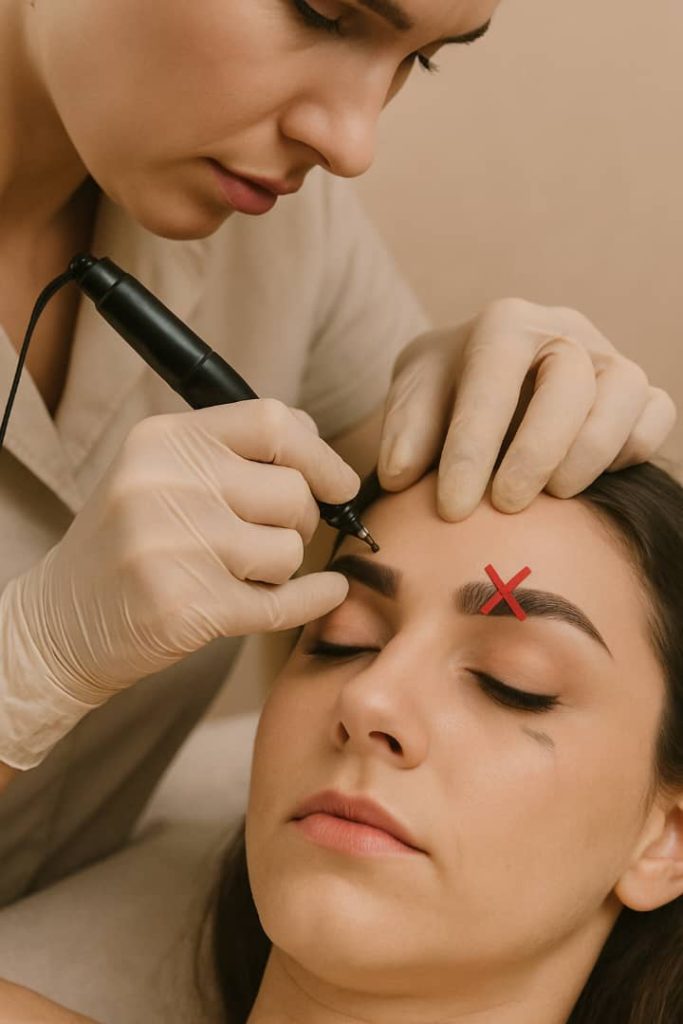
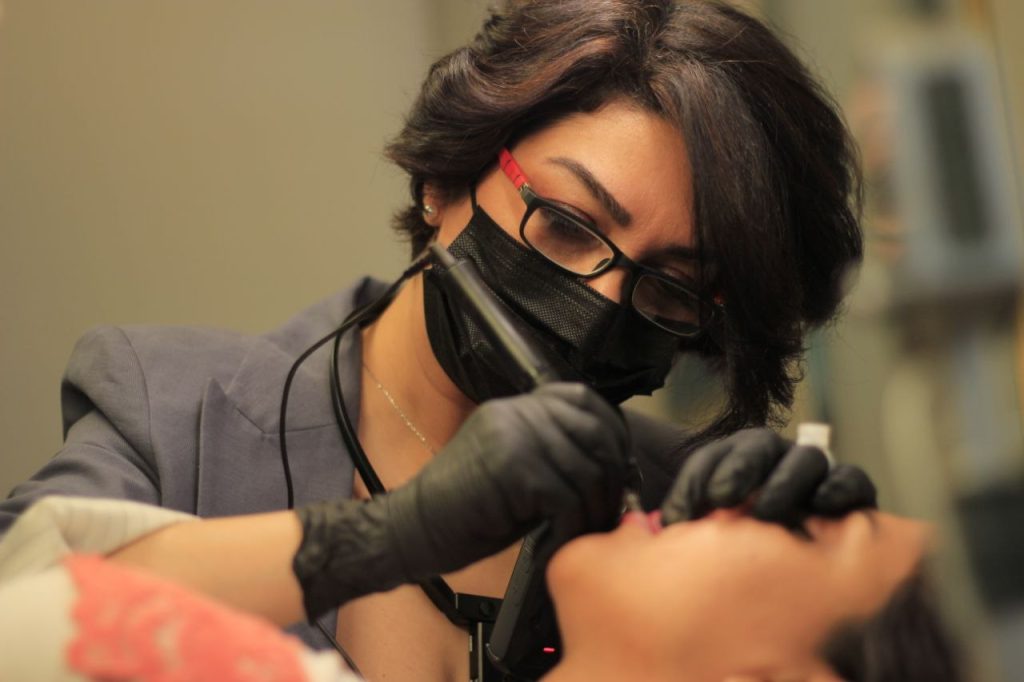
Lip blush tattooing involves implanting pigment into the lips using a small machine. As a result, this process can cause some temporary side effects, including:
- Swelling: Swelling is a common reaction to the procedure and usually subsides within 24-48 hours. To minimize this, applying a cold compress can be helpful.
- Redness: The lips may appear red immediately after the treatment. However, this typically fades as they heal.
- Tenderness: The lips might feel tender or sore for a few days after the procedure. In particular, this is due to the sensitivity of the area.
- Scabbing or Peeling: As the lips heal, scabbing or peeling is normal. In addition, it’s important not to pick at the scabs to avoid uneven pigment retention or infection.
- Temporary Color Intensity: The color may appear much darker right after the procedure. However, it will lighten by 30-50% as the lips heal.
What Are the Rare Side Effects of Lip Blush?
Although rare, some individuals may experience more serious complications. For example:
- Allergic Reactions: Some people may have an allergic reaction to the pigments or numbing agents used. As a result, symptoms may include itching, swelling, or redness beyond the normal healing process.
- Infection: Infections can occur if proper hygiene standards are not followed during the procedure. To avoid this, follow aftercare instructions carefully.
- Uneven Pigmentation: Uneven healing or improper application can lead to patchy results. Fortunately, a touch-up session can correct this.
- Cold Sores: If you have a history of cold sores (herpes simplex virus), the procedure can trigger an outbreak. Therefore, speak to your doctor before your appointment about whether taking antiviral medication before and after the treatment could help prevent this.
- Prolonged Sensitivity: In some cases, individuals with sensitive skin may experience prolonged tenderness or irritation in the treated area. Additionally, this might take longer to heal.
Who Should Avoid Lip Blush Tattooing?
Lip blush tattooing may not be suitable for everyone. For instance, you should avoid the procedure if you:
- Are pregnant or breastfeeding.
- Have active cold sores or any open wounds on the lips.
- Take blood-thinning medications.
- Have a history of severe allergic reactions to pigments or numbing agents.
- Have certain medical conditions, such as uncontrolled diabetes or immune disorders.
- Have any other active infection on or around the lips.
- Have severe eczema, psoriasis or rosacea around the lips.
- Have a history of keloid or hypertrophic scarring.
- Are undergoing, or have recently undergone, chemotherapy or radiation (consult your doctor first).
Lip Blush Contraindications Explained
Understanding these contraindications is essential for your safety and for the best possible results. Here’s why each one matters.
Pregnancy and Breastfeeding
Lip blush is not recommended while you are pregnant or breastfeeding. Hormonal changes during pregnancy and lactation can affect the outcome, so it’s best to wait until afterwards.
Active Cold Sores or Infections
Anyone with an active infection, especially a cold sore (herpes simplex virus), should postpone lip blush, as treatment can lead to flare-ups during or after the procedure and complicate healing. If you have a history of cold sores, speak to your doctor before booking about antiviral prophylaxis.
Skin Conditions Around the Lips
Severe eczema, psoriasis or rosacea around the lips can interfere with healing and with how well the pigment is retained, leading to uneven results. If this applies to you, you may not be a suitable candidate for lip blush.
Keloid or Hypertrophic Scarring
If you have a history of keloid or hypertrophic scars, it’s important to avoid lip blush. Keloids can develop in response to the tattooing procedure, causing unwanted raised scars.
Chemotherapy or Radiation
Chemotherapy and radiation treatments can weaken the immune system and affect skin healing. If you are undergoing or have recently undergone these treatments, consult your doctor before deciding on lip blush.
Uncontrolled Diabetes
Uncontrolled diabetes can result in poor circulation and slower healing, which raises the risk of complications during recovery. For that reason, lip blush is not a suitable option if your diabetes is not under control.
Blood-Thinning Medication
Blood thinners can lead to excessive bleeding during the procedure, which affects both the quality of the results and healing time. If you take them, consult your doctor before scheduling lip blush, and never stop or change a prescribed medication without their advice.
If you have any concerns or are unsure whether lip blush is right for you, talk to your healthcare provider and raise them during your consultation so your artist can discuss your suitability and any potential risks.
How to Minimize Side Effects:
- Choose an Experienced Professional: Ensure your technician is certified and uses sterile equipment. This step significantly reduces the risk of infection or uneven results.
- Follow Aftercare Instructions: Keep the lips clean and avoid makeup, hot beverages, or spicy foods for at least a week. Moreover, this helps prevent irritation and promotes healing.
- Use a Patch Test: If you have sensitive skin or allergies, request a patch test. As a result, you can check for adverse reactions to the pigments or numbing agents.
- Take Antiviral Medication: If you’re prone to cold sores, consult your doctor about antiviral medication. This can help prevent outbreaks during the healing process.
Conclusion:
Lip blush tattooing can be a fantastic way to enhance the color and shape of your lips. However, it’s important to be aware of the potential side effects and take necessary precautions. By doing so, you can minimize risks and enjoy beautifully enhanced lips.
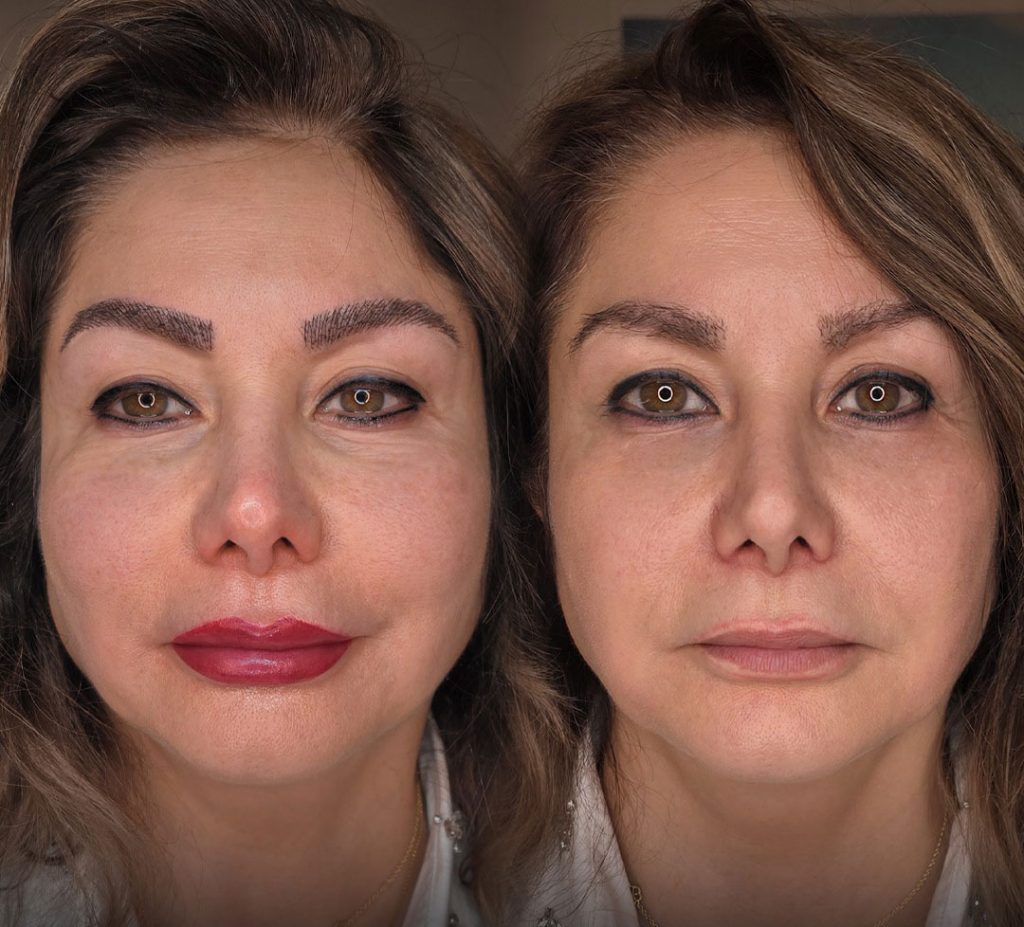
If you’re considering lip blush tattooing, choose an experienced professional like Nancy Akbari at Cosmetic by Banou. In addition, Nancy provides personalized treatments tailored to your unique needs. Book your consultation today to achieve beautifully enhanced lips! You can see this link to view Nancy Akbari’s Lip Blush Portfolio.
Frequently Asked Questions
How long does swelling last after lip blush?
Swelling is a common reaction to the procedure and usually subsides within 24–48 hours. Applying a cold compress can help.
Why does lip blush look so dark right after the procedure?
The color may appear much darker immediately after treatment, but it lightens by 30–50% as the lips heal.
Can lip blush trigger a cold sore?
If you have a history of cold sores, the procedure can trigger an outbreak. Speak to your doctor before your appointment about antiviral prophylaxis, and postpone treatment if you have an active cold sore.
Can I get lip blush while pregnant or breastfeeding?
Lip blush is not recommended during pregnancy or breastfeeding. Hormonal changes during this time can affect the outcome, so it’s best to wait until afterwards.
Can I get lip blush if I take blood thinners?
Talk to your doctor before scheduling, because blood thinners can cause excessive bleeding during the procedure and affect your results and healing. Never stop or change a prescribed medication without your doctor’s advice.
Who should not get lip blush?
Lip blush may not be suitable if you have active cold sores or infections, severe eczema, psoriasis or rosacea around the lips, a history of keloid scarring, uncontrolled diabetes or a history of severe allergic reactions to pigments or numbing agents. If you are undergoing chemotherapy or radiation, consult your doctor first.
How can I reduce the risk of lip blush side effects?
Choose a certified technician who uses sterile equipment, request a patch test if you have sensitive skin or allergies, and follow aftercare carefully, including avoiding makeup, hot beverages and spicy foods for at least a week.



2 thoughts on “Understanding the Side Effects of Lip Blush”